ITS Canada, the annual conference for Intelligent Transportation Systems professionals, is one of the key gatherings for traffic engineers, municipal planners, and transportation technology developers in the country. This year, ROASYS participated through a formal presentation during the Traffic Management session. For a company built around solving traffic congestion in Canadian cities, the conference was the right stage to test our ideas against the people who manage the infrastructure every day.
The best way to understand a problem is to sit in the room with the people who live with it.
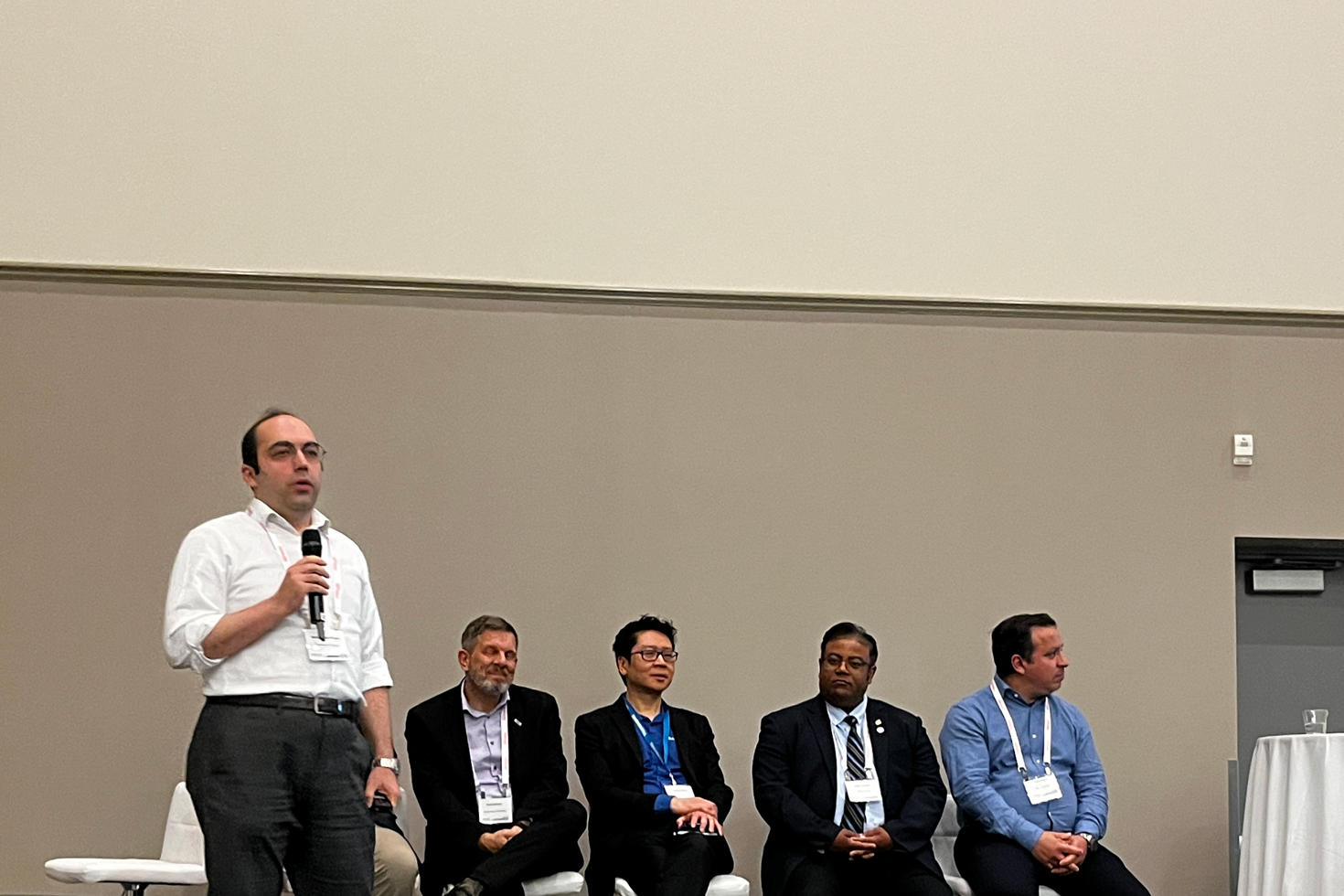
On May 23rd, co-founder Professor Mohammad Pirani presented "Advancing Urban Traffic Control Through Structured System-Theoretic Frameworks." The talk covered how systems and control theory addresses challenges that current traffic management methods cannot solve. Rather than treating each intersection as an isolated unit, the framework treats the traffic network as a connected system where signals share information and optimize collectively. This is the core technical idea behind ROASYS, and presenting it at ITS Canada placed it directly into the conversation shaping Canadian intelligent transportation.
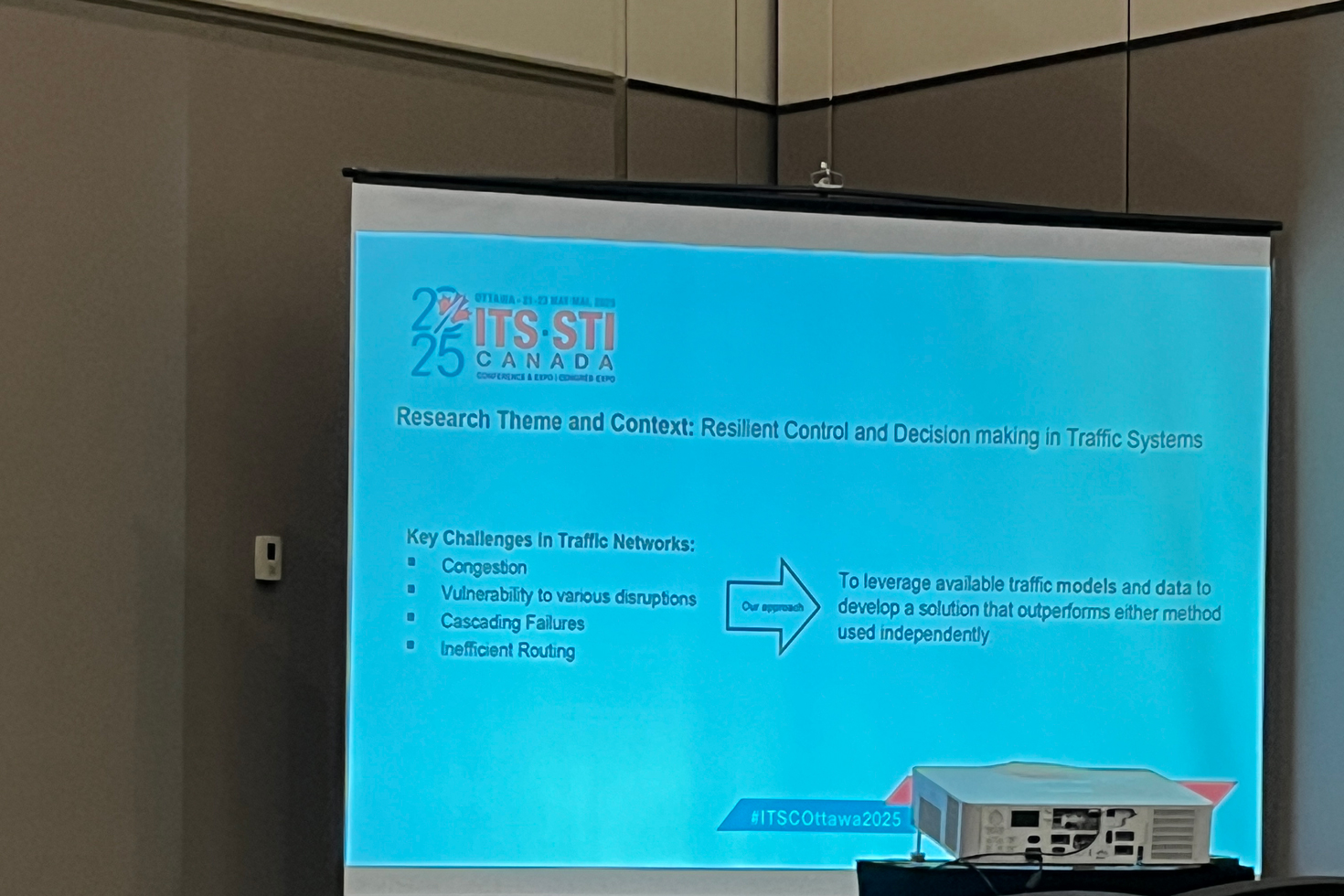
Beyond the presentation, the conference provided direct access to professionals who operate the exact infrastructure our system is designed to work with. Conversations with municipal traffic departments confirmed a pattern we have seen consistently: cities have functional digital infrastructure, but they lack the software layer that makes traffic signals genuinely intelligent. The gap is not hardware. It is optimization.
Wrapping Up with Key Insights
ITS Canada 2025 confirmed that the Canadian transportation sector is taking smart traffic control seriously. ROASYS's presence at the conference was not about visibility. It was about validating our technical approach against the people who will ultimately decide whether it works in the real world. That feedback was clear and consistent.